Cross-Ventilation Principles
Learn how to create effective airflow pathways through strategic window placement and interior door positioning.
Understanding Cross-Ventilation
Cross-ventilation occurs when air enters through one opening and exits through another, creating a refreshing flow throughout the space. This natural cooling method is most effective when windows or doors are positioned on opposite sides of a room or building.
The key to successful cross-ventilation lies in understanding wind patterns, room orientation, and the relationship between entry and exit points. By strategically placing openings, you can maximize airflow efficiency and maintain comfortable indoor temperatures.
Best Window Placement Ideas
Opposite Wall Strategy
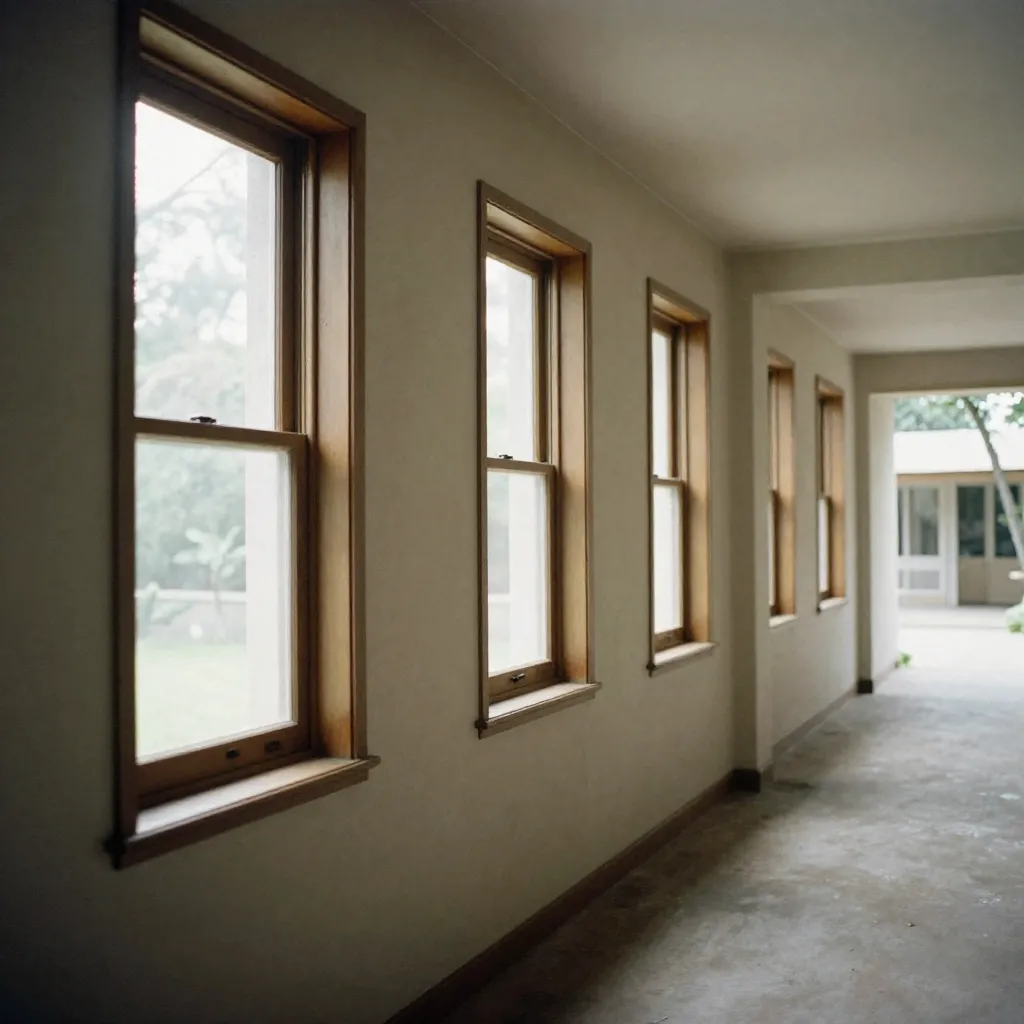
Position windows on opposite walls to create a direct airflow path. This is the most effective method for cross-ventilation, allowing air to flow straight through the space.
Corner Placement
When opposite walls aren't possible, place windows in adjacent corners. This creates diagonal airflow that still promotes good circulation throughout the room.
Height Variation
Combine high and low windows to create vertical airflow. Warm air rises and exits through upper windows, while cool air enters through lower openings.
Interior Door Positioning
Doors play a crucial role in extending ventilation pathways between rooms. When planning your layout, consider how door placement can enhance or hinder airflow movement.
Align Doorways
Position doors in a line across multiple rooms to create continuous airflow pathways from one end of your home to the other.
Avoid Blocking Paths
Keep doorways clear of furniture or obstacles that could interrupt the natural flow of air between spaces.
Wider Openings
Consider wider doorways or open archways for spaces where maximum ventilation is desired, such as between living areas and kitchens.
Flow Diagrams: Understanding Air Movement
Visualizing airflow helps identify optimal placement for windows and doors. Air naturally moves from areas of high pressure to low pressure, and creating pressure differences through strategic openings encourages this movement.
Single Room Flow
In a single room, air enters through the windward opening and exits through the leeward side, creating a refreshing breeze.
Multi-Room Pathways
Connected rooms can create extended airflow paths when doors are aligned, allowing ventilation to reach interior spaces without direct outdoor access.
Try This Layout
Here's a quick mini blueprint for a well-ventilated living room:
Living Room Ventilation Blueprint
North Window (Entry Point)
Install a large operable window on the north-facing wall to catch prevailing winds.
Central Seating Area
Arrange furniture to allow air to flow around rather than block pathways.
South Window (Exit Point)
Position a matching window on the opposite wall to create the exit point for airflow.
Tip: Add ceiling fans to enhance air movement when natural wind is minimal.