Materials That Breathe
Discover structural and interior materials that naturally support ventilation and promote healthy indoor air circulation.
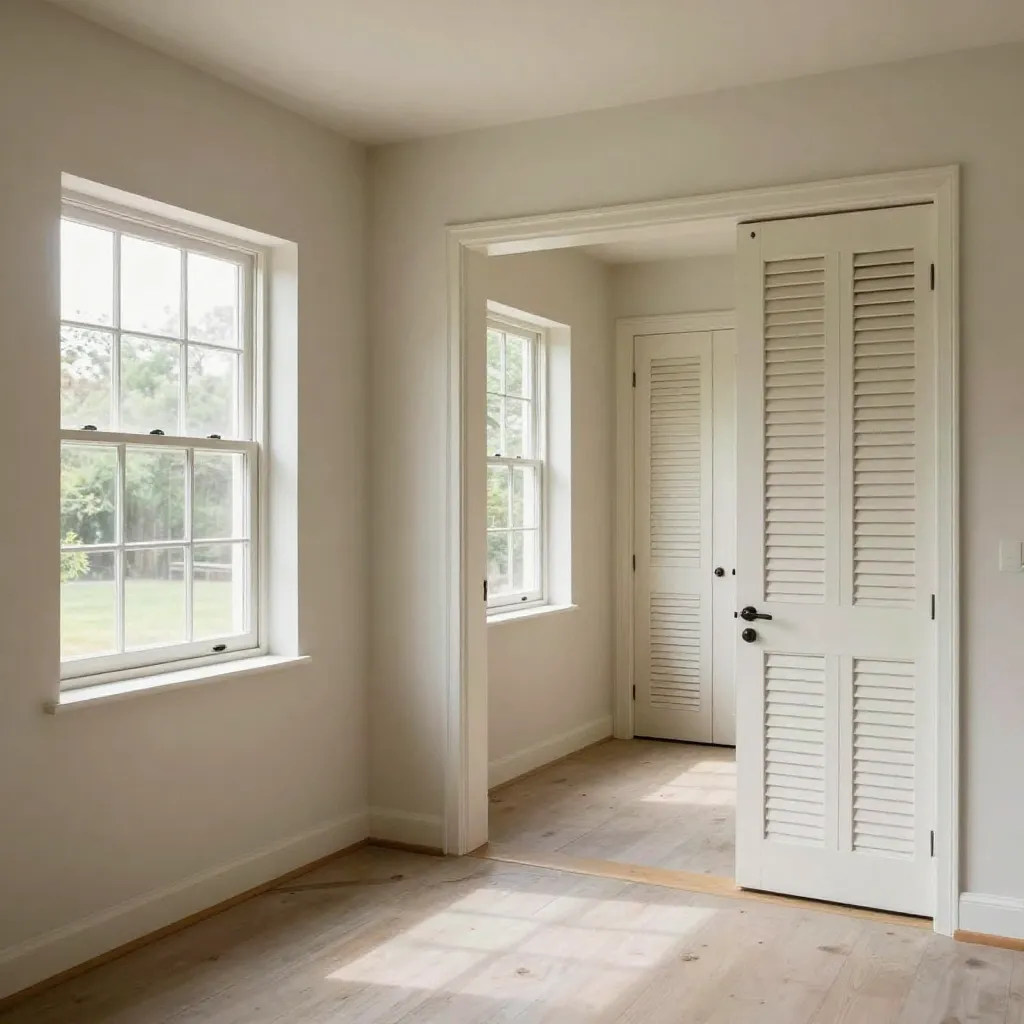
Why Material Choice Matters
Not all materials are created equal when it comes to supporting natural ventilation. Some materials allow air to pass through them, while others create barriers. Understanding which materials promote airflow can significantly enhance your home's ventilation system.
Breathable materials work with your home's natural ventilation strategy by allowing moisture and air to move through, rather than trapping it. This helps maintain balanced humidity levels and prevents the buildup of stale air.
Slatted Partitions
Slatted partitions offer an elegant solution for dividing spaces while maintaining airflow. These structures consist of parallel slats with gaps between them, allowing air to pass through while providing visual separation.
Wood Slats
Natural wood slats bring warmth and texture while allowing air to circulate freely. They're perfect for creating semi-private spaces without blocking ventilation.
Metal Mesh
Modern metal mesh partitions offer maximum airflow with minimal visual obstruction. They work well in contemporary designs where you want to maintain an open feel.
Bamboo Screens
Bamboo provides an eco-friendly option that naturally regulates humidity while allowing air movement. It's perfect for creating tropical-inspired ventilation zones.
Breathable Wall Paints
Traditional paint can create a barrier that traps moisture and prevents walls from breathing. Breathable wall paints allow water vapor to pass through, helping maintain healthy indoor air quality and preventing mold growth.
Mineral-Based Paints
These paints use natural binders that allow moisture to escape through the paint film, keeping walls dry and breathable.
Clay Paints
Made from natural clay, these paints offer excellent moisture regulation and air permeability, creating a healthy indoor environment.
Lime Wash
Traditional lime-based finishes are highly breathable and naturally antimicrobial, making them ideal for ventilation-friendly homes.
Eco-Friendly Vents
While natural ventilation should be the primary strategy, strategic use of eco-friendly vents can enhance airflow in spaces where natural openings aren't sufficient.
Trickle Vents
Small, adjustable vents installed in window frames provide continuous background ventilation without noticeable drafts.
Roof Vents
Passive roof vents utilize the stack effect, allowing warm air to escape naturally through the top of your home.
Natural Fabrics for Room Dividers
Fabric dividers offer flexibility in space planning while allowing air to flow through. The right fabric choice can create visual separation without blocking ventilation.
Linen Curtains
Linen's natural fiber structure allows air to pass through while providing privacy and visual interest.
Cotton Canvas
Heavy-duty cotton canvas can be used as room dividers that filter air while maintaining the open feel of a space.
Jute and Hemp
These natural fibers are highly breathable and add texture while allowing air circulation throughout divided spaces.
3D Room Model Concept
Imagine a well-ventilated room with breathable materials:
Complete Breathable Room Layout
Walls
Breathable mineral-based paint allowing moisture exchange
Partitions
Wood slat dividers creating zones while maintaining airflow
Furnishings
Natural fiber curtains and breathable fabric dividers
Result: A space where air flows naturally through every material, maintaining fresh, healthy indoor air quality.
